
Cottonwood Heights Public Records Map
Utah law starts from access, but each record set has its own keeper and limits. Cottonwood Heights public records do not sit in one office. The city keeps business, police, permit, and land-use files created in its municipal era. Salt Lake County keeps deeds, parcel data, marriages, jail material, and older county files. Utah courts and state agencies control court, vital, corrections, license, and business records. The table leads with the access route, then shows where an online result still requires a counter, order, or written request.
| Record Set | Custodian | Online Index | Access |
|---|---|---|---|
| Deeds, liens, plats | Salt Lake County Recorder | Free property list; paid Data Services | Public index; paid images and chain tools; counter access |
| Court cases | Holladay Justice Court or Third District Court | Xchange | Paid public search; clerk terminal and copy fallback |
| Property assessment | Salt Lake County Assessor | Parcel Query | Free owner, address, and parcel search |
| Vital records | Utah Vital Records and local health departments | Historical indexes; certificate ordering | Recent copies require eligibility and ID |
| Marriage | County Clerk, County Archives, or State Archives | 1887–1904 archive subset | Keeper changes by year; certified copies by order |
| Voter registration | Lieutenant Governor or County Clerk | Authenticated self-lookup | Statewide lawful file by purchase; county subset through Clerk |
| Licenses and businesses | Utah DOPL or Division of Corporations | Name, license, entity, principal, and filing searches | Free basic lookup; certificates and data products may cost |
| Police and custody | City Police, County Sheriff, or Utah DOC | Separate request and custody systems | Public portions only; protected details may be redacted |
| City permits and meetings | Cottonwood Heights City Recorder | Posted reports, notices, agendas, and minutes | GRAMA for an identified file or complete permit list |
An index is not the whole file. Sealed or expunged cases, juvenile and adoption files, recent vital certificates, protected voter data, Safe at Home addresses, motor-vehicle personal data, and some victim or investigative information remain closed or redacted. GRAMA does not override a statute that makes a field private, controlled, or protected.
Cottonwood Heights Public Records Custodians
The correct office depends on who created and retains the file. Public records held by City Recorder Tiffany Janzen include council, planning, contract, code, and election-administration material. The County Recorder is the ownership custodian, not a city department. The Government Records Office provides an appeal route after an agency decision. Calling first can confirm the channel, but staff need a record description rather than a broad research question.
Cottonwood Heights City Recorder
2277 E Bengal Blvd, Cottonwood Heights, UT 84121
Monday–Thursday, 7 a.m.–5 p.m.
801-944-7015
Salt Lake County Recorder
2001 S State St, Suite N1-600, Salt Lake City
Monday–Friday, 8 a.m.–5 p.m.
385-468-8145
Utah Government Records Office
346 S Rio Grande St, Salt Lake City, UT 84101
governmentrecordsoffice@utah.gov
385-386-1955
Holladay Justice Court serves the city's limited-jurisdiction matters. Third District Court keeps felony, general civil, divorce, and probate files. A court clerk, rather than the City Recorder, supplies the actual court file or certified copy.
Cottonwood Heights Recorder Access
The county's free Recorder search begins with property, not a person's name. It returns a quick document list after an address or parcel search. These public records include deeds, liens, plats, legal descriptions, and other instruments. Full Data Services adds owner of record, parcel history, tract indexes, chain of title, subdivision plats, and images. A grantor gives an interest; a grantee receives one. Name and chain tools require an account.
The least costly paid option is a $5 account with 150 data units for 24 hours. Larger plans start at $300. The Recorder says records filed before 2 p.m. are generally imaged by the next working day, though plats can take longer. No official single start year for the online index is published. For older or hard-to-find instruments, inspect abstracts and terminals at the office, call for procedure, or order a known document by its number.
The Recorder Data Services interface shows the split between property lists and fuller paid access.
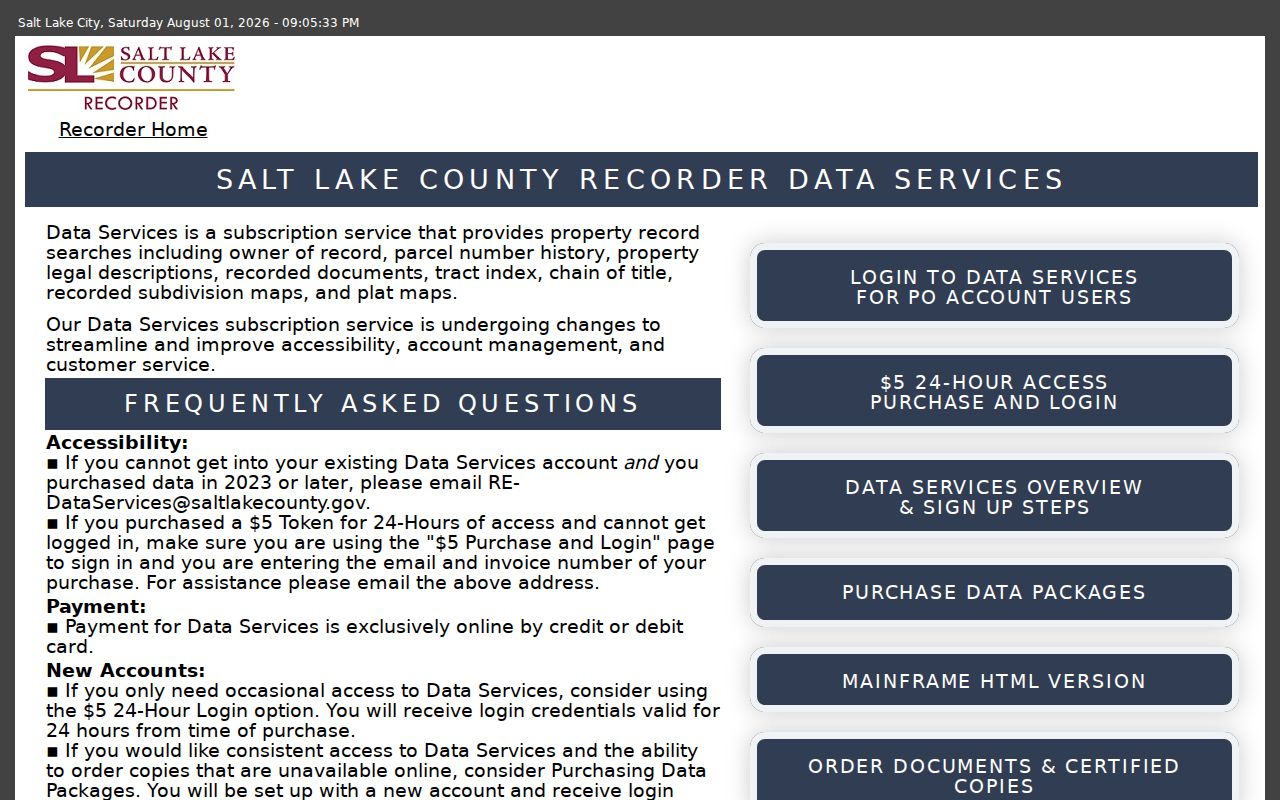
That two-tier layout explains why a free result may identify a document without supplying its image or the entire ownership chain.
| Search control | Input type | Access condition | What it does |
|---|---|---|---|
| Property Address | Text/autocomplete | One free path | Finds documents attached to a property |
| Parcel Number | Text | One free path | Uses the county parcel identifier |
| Owner, grantor, grantee | Name search | Paid account | Finds people named in ownership instruments |
| Tract, chain, document | Paid modes | Paid account | Reaches title chain, instruments, maps, and plats |
Fourteen Million County Records
The Salt Lake County Recorder was created in 1850 and reports more than 14 million records. About 133,000 instruments were added during 2023, close to 11,000 per month. That scale is useful context for Cottonwood Heights: the municipal name is recent, but the land record can reach into Utah's territorial period.
Older people and places may be indexed under Union, Butler, a precinct, or a named subdivision. Recorder staff do not conduct a patron's title research. Bring an address, parcel, legal description, document number, or name variant, then use the office terminal or Data Services to follow the instrument trail.
Note: City incorporation did not transfer county deeds, plats, assessments, court files, or marriage records to Cottonwood Heights.
Cottonwood Heights Parcel Records
The free Salt Lake County Assessor Parcel Query accepts an owner, street address, or parcel ID. An owner search needs at least three letters and formats a person as Last, First. Parcel IDs accept 6 to 14 digits; the first seven can retrieve a block. Results can show the owner, situs address, parcel, values, tax district, land traits, building details, permits, and value history.
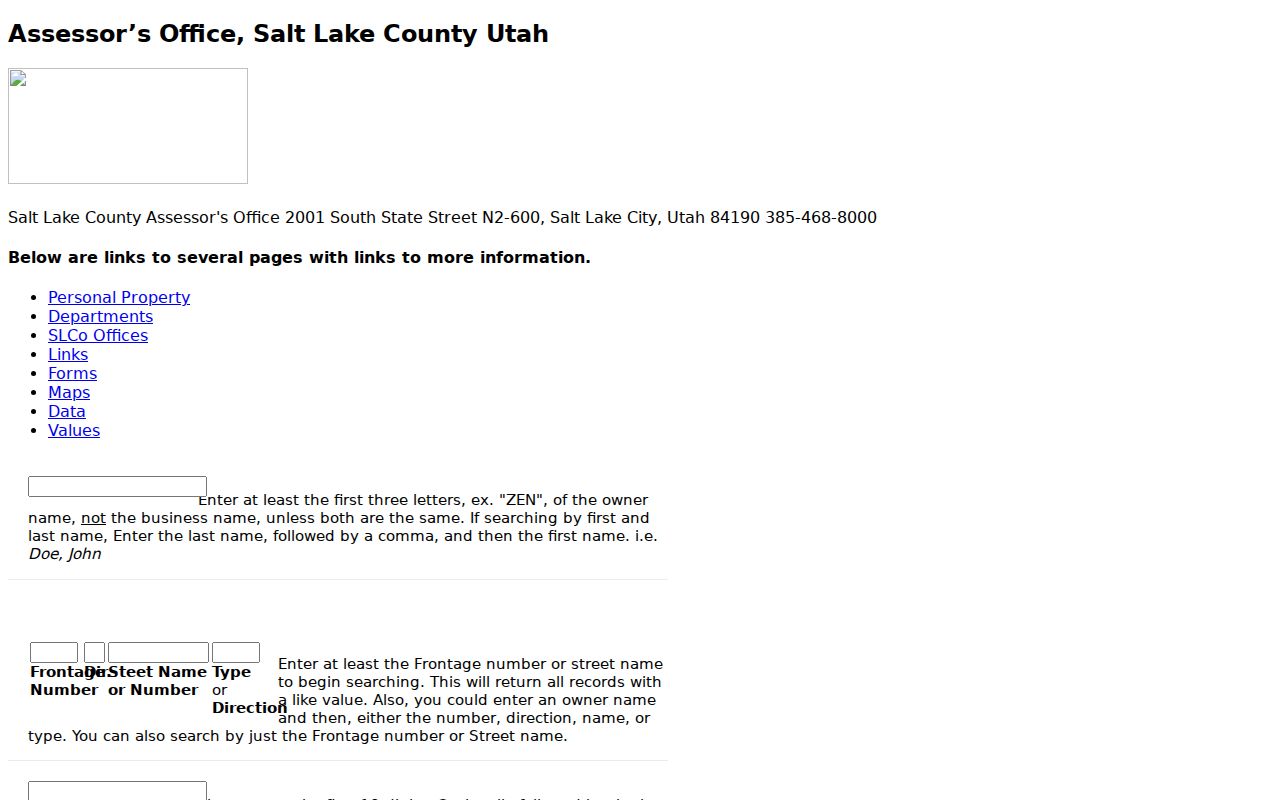
The form is a good source of the parcel number needed by the Recorder, but the displayed address is the property's site address, not a verified owner mailing address.
The county's GIS and Parcel Viewer gateway adds boundaries, tax districts, plats, and oblique imagery.
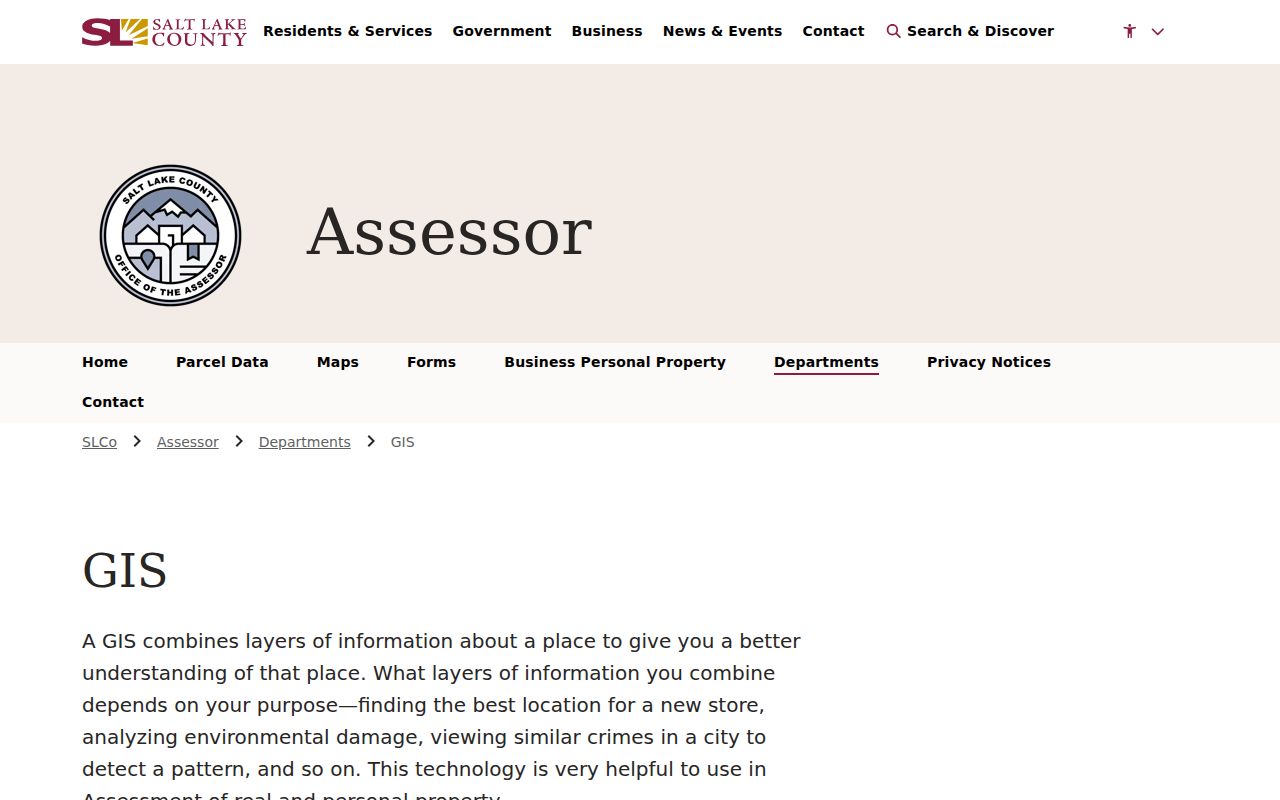
City zoning and subdivision maps add municipal context, while the county parcel and recorded plat remain the ownership and boundary sources. The Assessor counter and GRAMA can address identifiable data that is not posted. County Archives supplies historic tax rolls, appraisal cards, and building photographs.
No public sale-price field. Utah is a non-disclosure state. The Assessor is not a final sale-price database, and an owner name does not prove who lives at the site.
Cottonwood Heights Court Record Access
Public researchers use Utah Courts' paid Xchange system, while the state's free party portal serves only people viewing their own matters. Xchange can search district court, justice court, or both by party, company, case number, case type, court, dates, birth date, or citation data. Results cap at 500, so county, court, case type, or date filters matter.
The Xchange help page documents the public search controls and result fields.
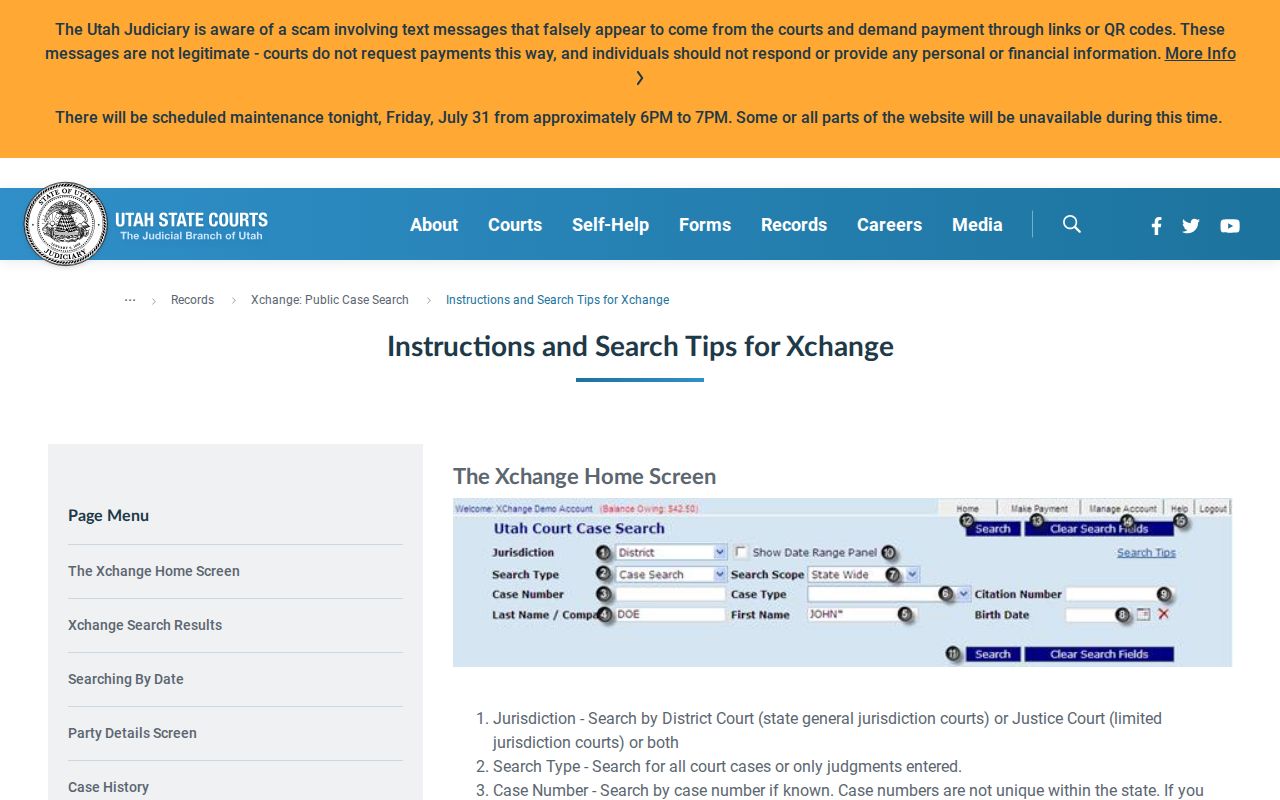
A docket can show parties and roles, filing date, court, case number, attorneys, judge, charges, disposition, and proceedings. A docket is the chronological case activity list. Some public PDFs cost $1, but many filings are not online.
Xchange costs $25 to set up and $40 per month for 500 searches; extra searches are $0.35. The clerk counter and public terminal are the fallback for files or documents missing online. State Archives covers transferred historical series. Federal matters require the federal clerk's separate system. A 2026 certified copy costs $4 per document plus $0.50 per page. Sealed, expunged, juvenile, adoption, commitment, and other nonpublic matters remain excluded.
Vital Records Across Cottonwood Heights
Utah Vital Records handles birth and death certificates from 1905 forward and marriage or divorce abstract products where held. Orders can go online, by mail, at the state counter, or through a participating local health department. Mail orders require the form or a signed letter, payment, valid ID, and proof of relationship or legal need when required. The state advises allowing at least six weeks by mail.
Births become public after 100 years, deaths after 50, and marriages or divorces after 75. A historical name index can locate an event without granting access to a recent certified copy. Current first-copy fees are $25 for birth and marriage/divorce products and $35 for death, effective July 1, 2026. The official certificate ordering page lists the routes and eligibility rules.
Note: A divorce decree is a court record; the state vital product is an abstract and does not replace the Third District Court file.
Cottonwood Heights Marriage Record Eras
The record year chooses the keeper. The Salt Lake County Clerk Marriage Division supplies licenses and copies from 1945 to the present. County Archives holds 1887 through 1944, with an online 1887–1904 subset. Utah did not require civil marriage registration before 1887, so church records and newspapers become useful fallback evidence.
Mail requests to the Clerk state the requester's name and address, both applicants' names as used, the date and place, and the license number if known. A plain copy is $2 and a certified mail copy is $5. A spouse-only phone copy costs $3. Divorce custody also changes by year: County Archives holds 1852–1887 files, State Archives covers 1896–1969, and Third District Court holds 1970-present matters.
Cottonwood Heights Police Records
City police files can be requested through the embedded web form, by mailing a completed GRAMA form to Cottonwood Heights Police Records at 2277 E Bengal Blvd, Suite B, or at the counter. A records specialist contacts the requester when material is ready. Report access is distinct from reporting an incident. Protected victim, investigative, and personal information may be withheld or redacted.
Custody records live in separate systems. The Salt Lake County Sheriff publishes current prisoner and roster information, while Utah DOC covers people under current state incarceration, probation, or parole. The Utah DOC Offender Search accepts a first and last name or an offender number.
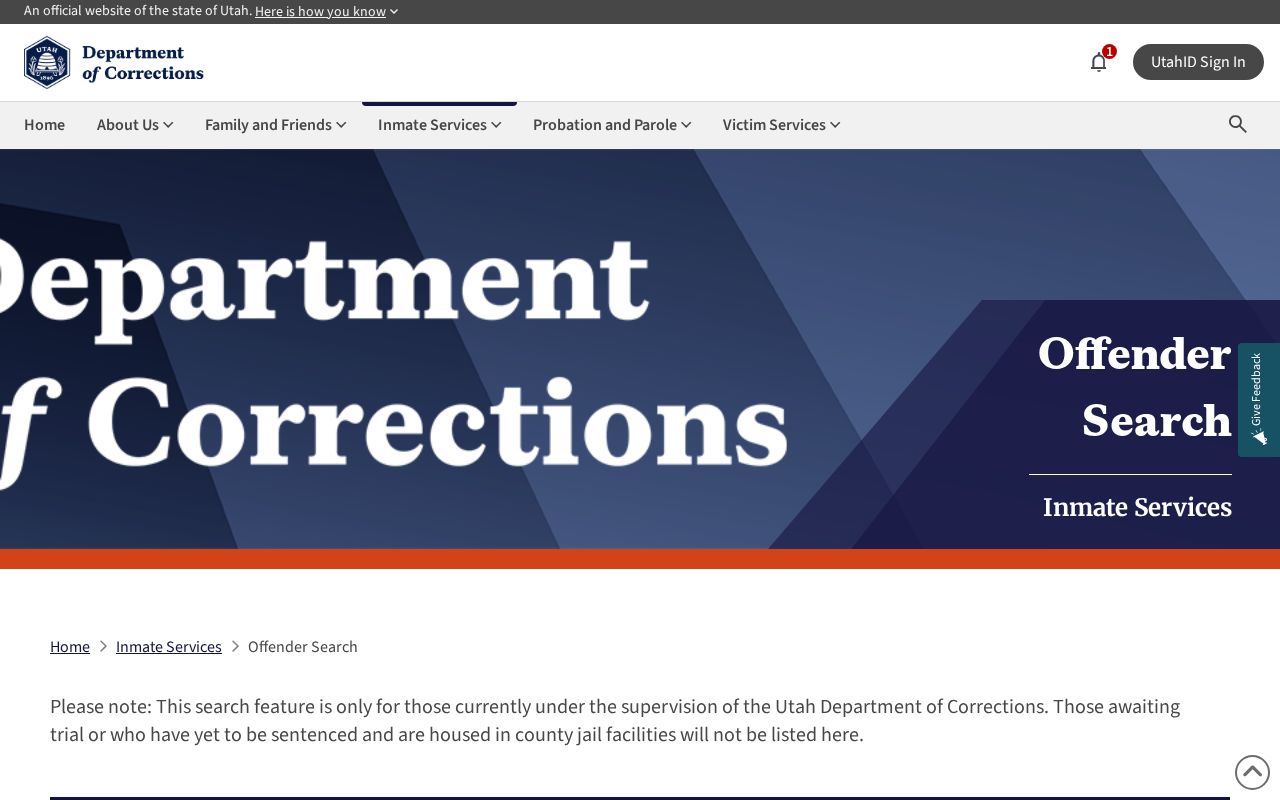
A result in one custody system does not cover the others. The county jail, state corrections, federal custody, and official registry each have a different scope and lawful-use warning.
Cottonwood Heights Records Since 2005
Cottonwood Heights incorporated on January 14, 2005. Its City Recorder therefore holds a modern municipal layer: ordinances, resolutions, contracts, council and Redevelopment Agency proceedings, agendas, packets, minutes, planning bodies, hearings, and municipal election administration. Cottonwood Heights Police added another city layer in 2008.
Permit custody follows the same date logic. The city publishes monthly major-development reports and exact-address hearing notices, but no full historic permit search was found. A complete issued-permit list or older city file can be requested. Salt Lake County Archives holds county permits from 1970 through September 2019 and application cards from 1948–1969 for land then under county jurisdiction. Annexation and the event date decide which custodian to ask.
Note: Historical searches may need Union, Butler, Butlerville, precinct, school-district, or subdivision names instead of the modern city label.
Cottonwood Heights Record Terms
Several short terms prevent costly mistakes when ordering a file.
- Index
- A finding aid with names, dates, or identifiers. It may not include the filed image.
- Certified copy
- A custodian-issued copy carrying official certification for uses that require it.
- Custodian
- The government entity that retains and answers for a record, even when the event occurred in Cottonwood Heights.
- Exemption
- A legal basis to withhold a record or field that would otherwise fall within an access request.
- Situs address
- The location of the property. It is not proof of an owner's mailing address or an occupant.
Use the index to collect identifiers first. Then ask the named custodian whether inspection, an ordinary copy, or a certified copy fits the purpose.
Cottonwood Heights Record Fees
GRAMA requests are free to submit, and reviewing a city record to decide whether it can be released is normally free. Production may cost money. Cottonwood Heights charges $0.25 per black-and-white page, $0.40 per color page, $2 per certification, and $25 for archive retrieval. Search, preparation, or redaction beyond 15 minutes can be billed at the lowest qualified employee's rate.
Inspection is often the low-cost choice when practical. Utah Code §63G-2-203 permits reasonable actual costs for duplication, compilation, format conversion, and qualified staff time. A requester may seek a waiver for public benefit, when requesting their own record, or when lack of funds directly affects legal rights. Ask for an estimate and set a cost ceiling before work begins.
GRAMA Requests for Cottonwood Heights
A Cottonwood Heights public records request follows Utah's Government Records Access and Management Act, Utah Code Title 63G, chapter 2. Any person may request an existing government record. Under §63G-2-204, the entity responds as soon as reasonably possible and within ten business days. A five-business-day response applies when faster access demonstrably benefits the public. Extraordinary circumstances can extend the time, but the entity must explain and estimate its response.
- Identify the office that retains the record. A Cottonwood Heights address alone does not make the city the custodian.
- Check the free index and save useful identifiers, such as a case, parcel, instrument, permit, or license number.
- Describe an existing record with names and variants, record type, date range, address, and the desired electronic, inspection, or certified format.
- Give a name, mailing address, willing email, and daytime phone. Include authorization and proof only when access rules require them.
- Ask for a fee estimate, inspection, waiver, or cost limit. Keep the request and the agency's dated response.
Lawful personal use. Open records support civic review, family research, estate work, and fraud checks. Never use a record to stalk, harass, threaten, or evade a protected address.
Appealing a Cottonwood Heights Denial
A written public records denial should state its legal basis. A requester may generally appeal a denial, deemed denial, fee decision, or extraordinary-circumstances claim to the entity's chief administrative officer within 30 days. Further review can go to the Government Records Office Director or district court under Utah Code §§63G-2-402 through 404.
The Government Records Ombudsman can mediate, and mediation can toll the appeal period. Narrowing a request may also solve a dispute when the office cannot identify the file, the scope is too broad, or part of the material is exempt. Ask the custodian to release any reasonably separable public portion rather than treating one protected field as a reason to withhold the whole record.